01
Product platform
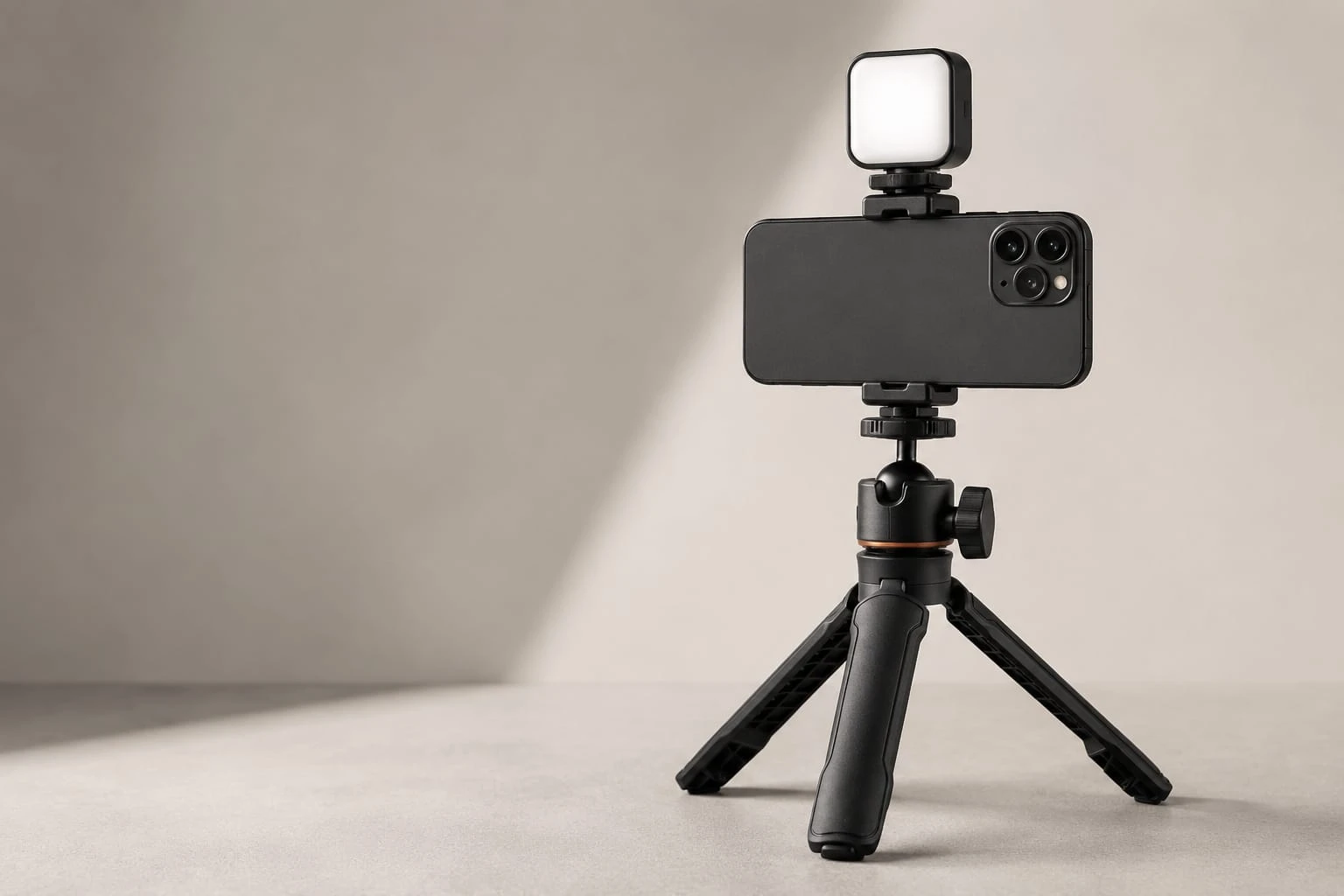
Start with an existing camera, mobile, lighting, or rigging platform and adapt it to your market.
OGLemon OEM services
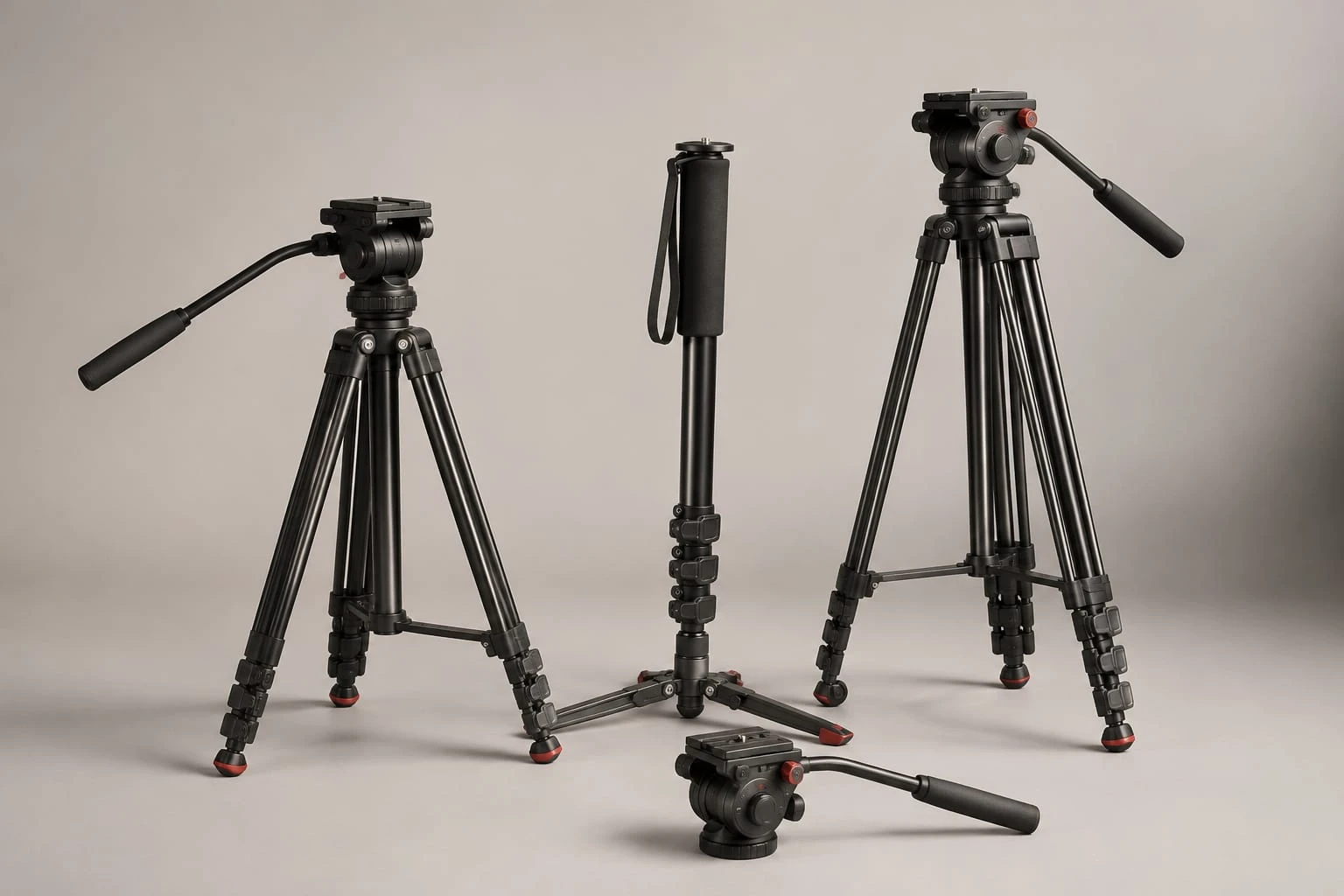
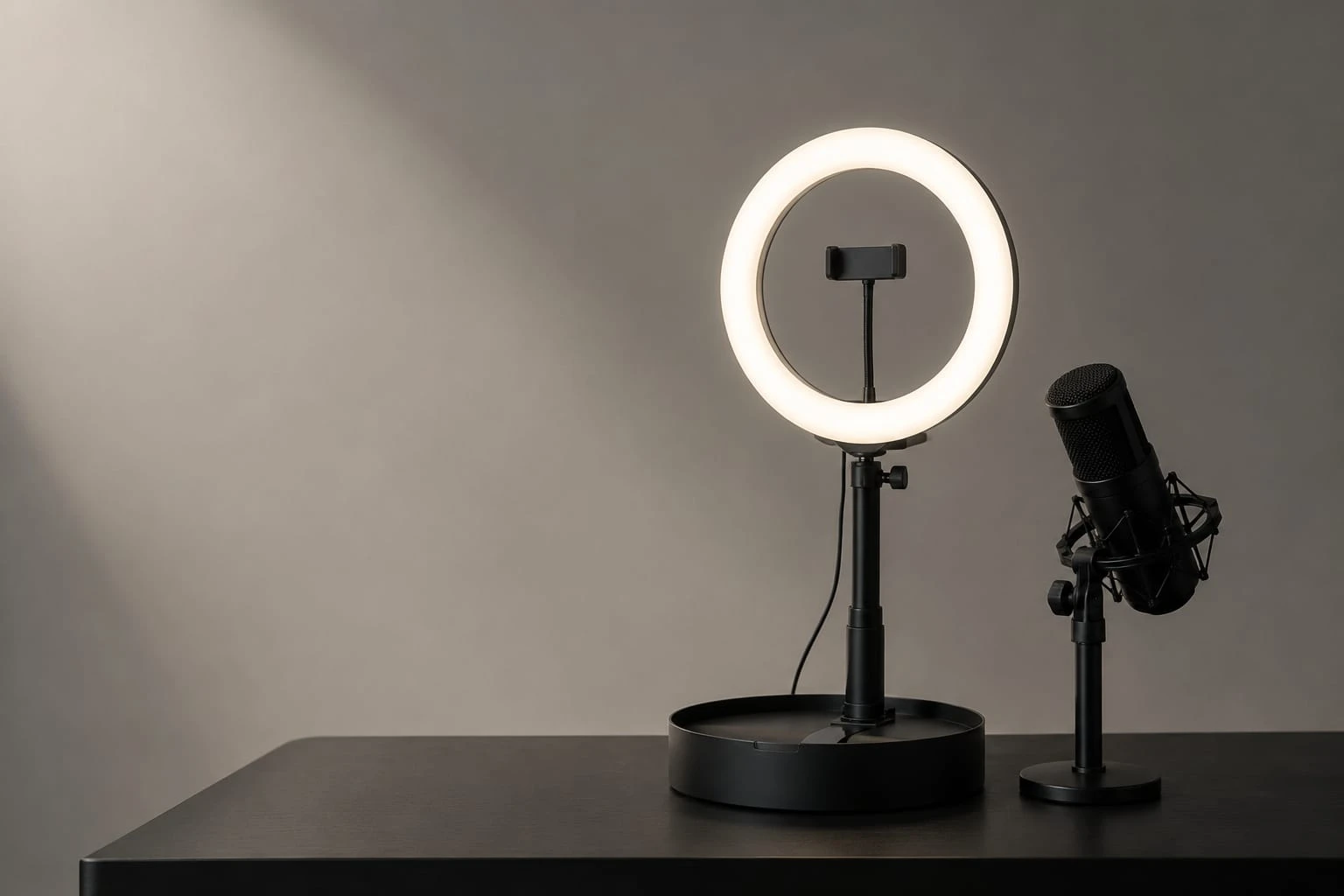
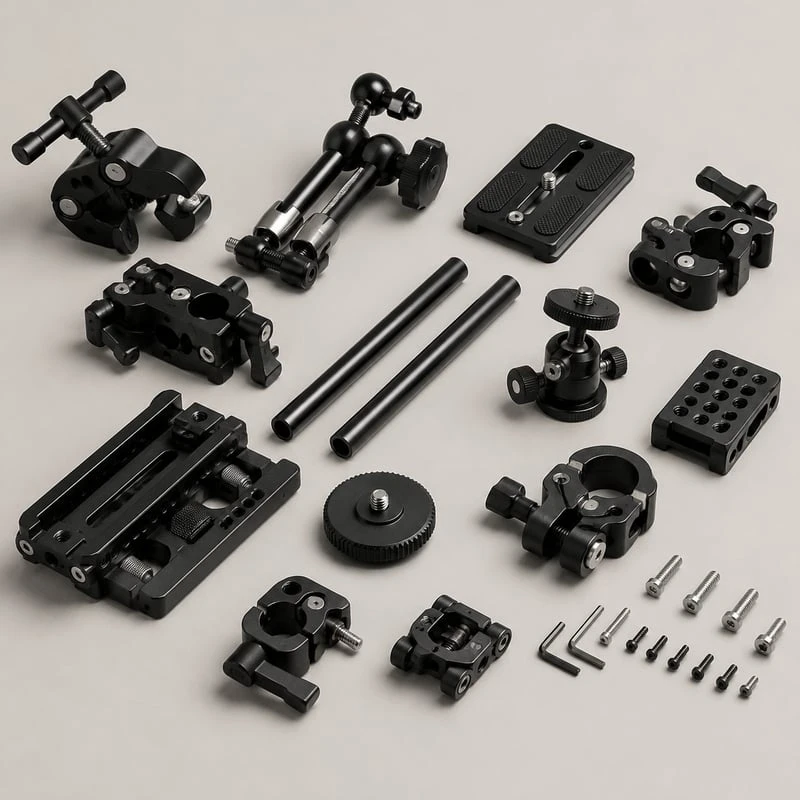
Customize tripods, phone supports, studio stands, and rigging hardware for your product range.
Starting point
Existing product or new brief
Customization
Structure, finish & branding
Validation
Samples & inspection points
Delivery
OEM packing & shipment
From specification to packaging
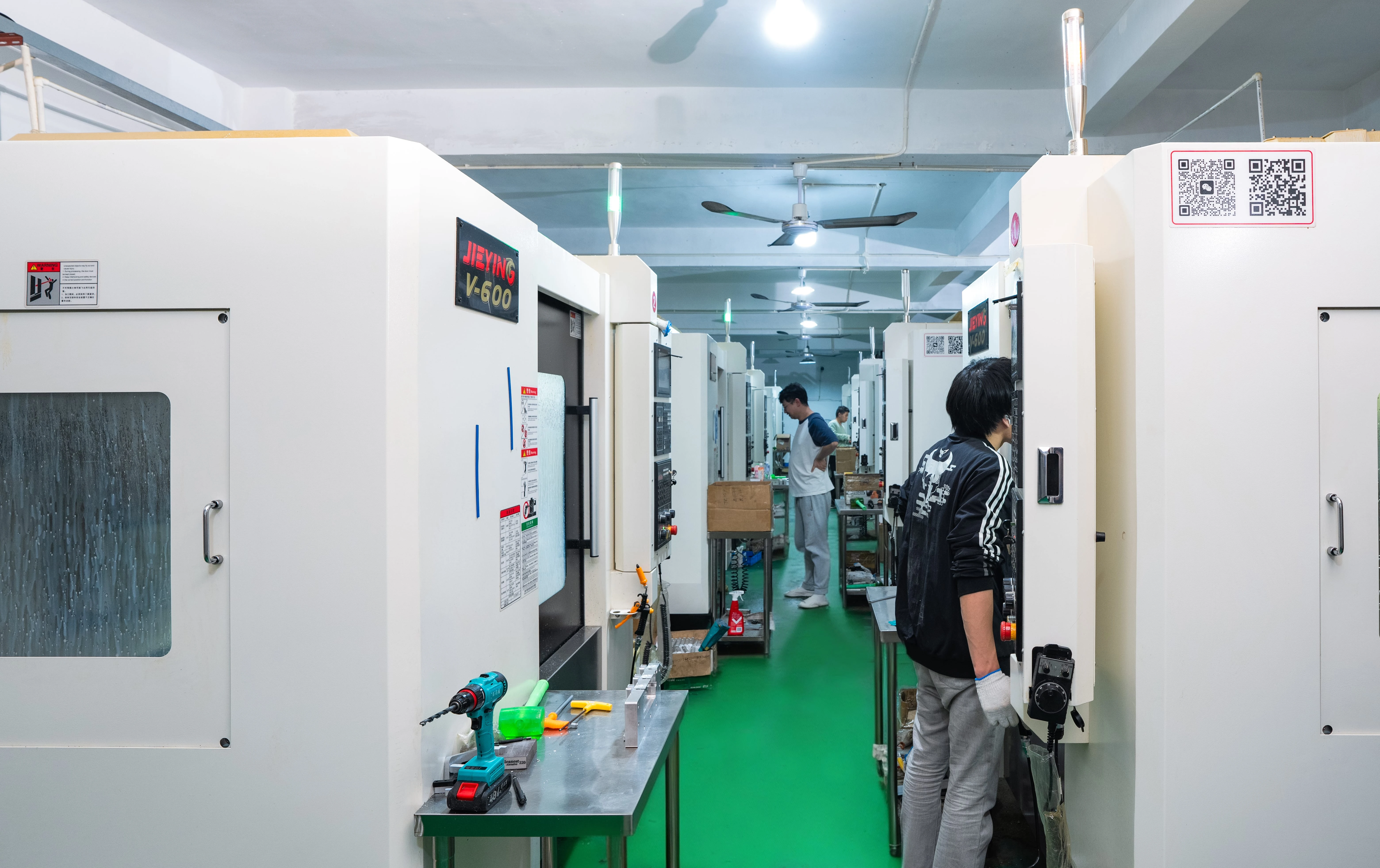
Product and production requirements are defined together.
Mechanisms, materials, finishes, branding, included accessories, and packaging are specified for the same target user and price point.
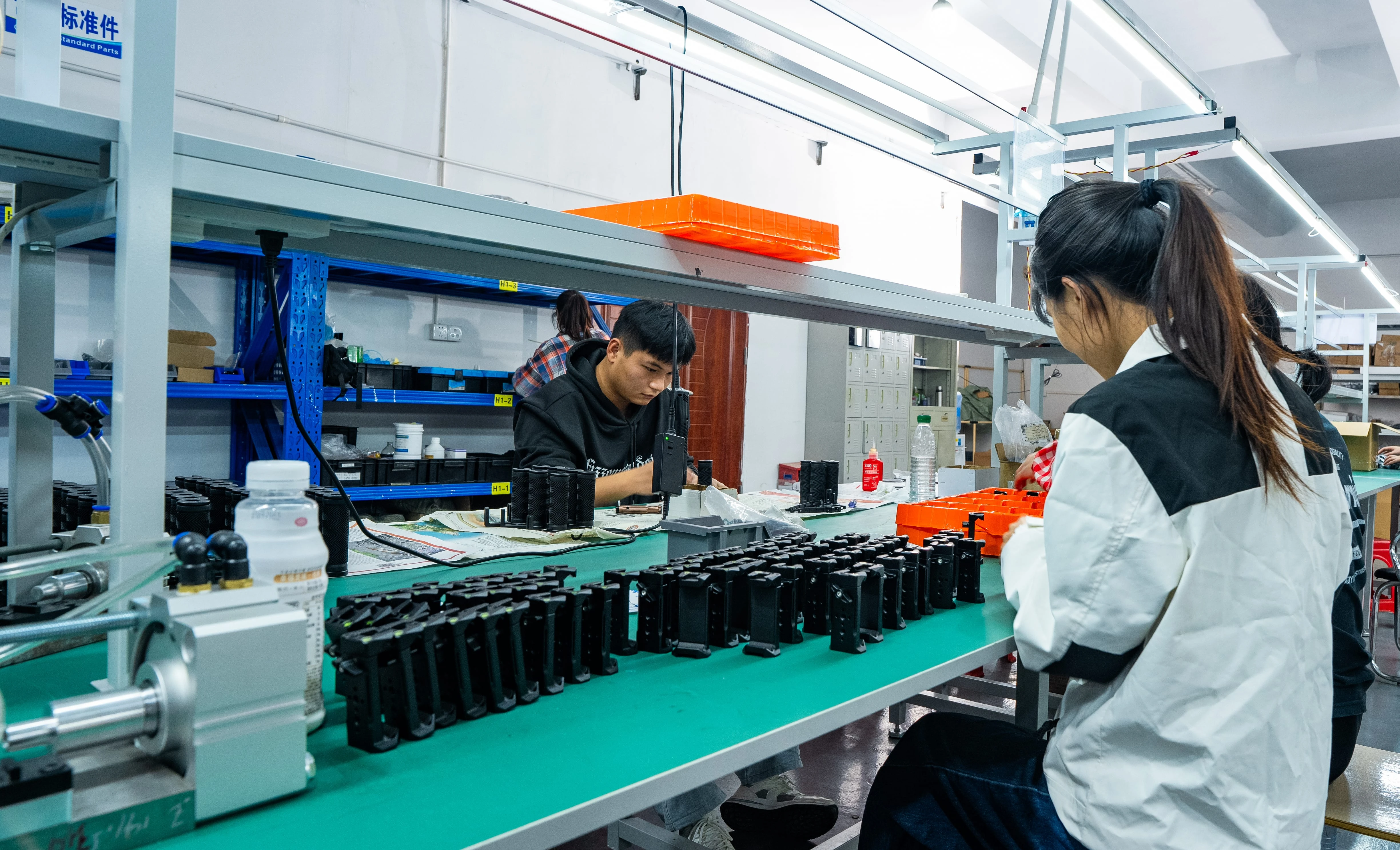
Component assembly · Production bench
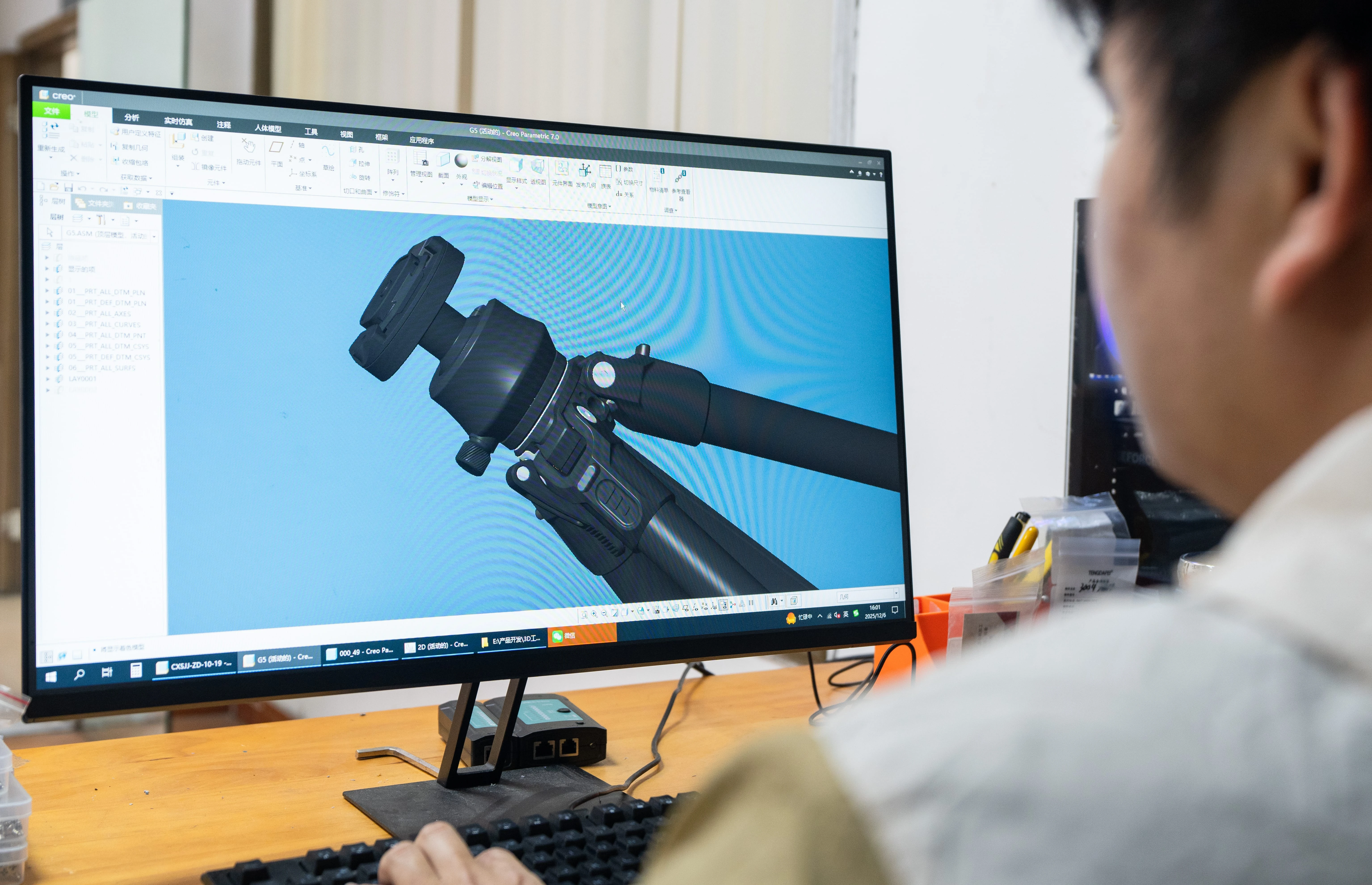
Customer-facing details
We define lock feel, surface finish, logo placement, included accessories, and pack-out against an approved sample.
Customization scope
Select the customization scope that fits your product, launch schedule, and order volume.
01
Start with an existing camera, mobile, lighting, or rigging platform and adapt it to your market.
02
Refine working height, load targets, joints, locks, mounting points, and accessory compatibility.
03
Select materials, including aluminum, steel, and engineering plastics, then specify texture, anodizing, coating, and color.
04
Plan logo position, laser marking, screen printing, molded details, labels, and product identification.
05
Specify the heads, clamps, plates, bags, cables, lights, and adapters included with the product.
06
Develop internal protection, printed boxes, instructions, labels, cartons, and packing details for your sales channel.
OEM workflow
Each approved requirement becomes part of the sample, production specification, and inspection checklist.
01
Define
We confirm the application, target user, market position, quantity, required interfaces, and commercial goals.
02
Develop
We configure the selected platform, document the specification, and prepare a finished, branded sample for review.
03
Validate
We confirm operation, appearance, compatibility, packaging, and inspection criteria before production.
04
Deliver
We complete assembly, inspection, branded packing, carton preparation, and shipment planning.

Production floor
Component assembly at an OGLemon production station.
Production control
We check function, fit, finish, branding, and packaging against the approved sample and specification.
We check key components and finishes against the approved specification.
We inspect critical fits, fasteners, movement, and lock function during assembly.
We verify load behavior, adjustment range, interface fit, and repeated operation.
We inspect color, surface finish, branding, cleanliness, and presentation.
We confirm accessories, instructions, labels, internal protection, and carton markings.
Product platforms
OEM questions
A complete brief helps us assess feasibility, recommend a product platform, and plan sampling.
Yes. Existing platforms are the fastest route for many OEM programs. Product configuration, finish, branding, accessories, and packaging can be reviewed around your requirements.
Yes. Share the application, target specification, reference product, or concept. We will review feasibility and define the tooling, sampling, and production requirements.
Product type, use case, target market, expected quantity, required load or interfaces, preferred material and finish, branding, packaging, and desired launch timing are the most useful starting points.
The approved sample and specification establish the reference. Functional checks, appearance points, branding, accessories, and pack-out requirements are then carried into production inspection.
Start with your brief
Include the product type, target market, quantity, key specifications, customization requirements, and launch timing. We will review the brief and confirm the next step.
info@oglemon.com